

How to Increase Your Movement and Improve Your Mental Health: according to science
Dive into the science behind movement and mental health - learn practical, research-informed strategies to help you be more active, today!
just like cliffs, canyons, and coastlines - our moods can be shaped with movement
How to Increase Your Daily Movement
1. track your physical activity
2. explore different types of movement
3. share with a supportive friend
4. enjoy the ways you choose to move
What is Physical Activity?
Physical activity is any movement that uses energy - that means anything - with almost all movement providing health benefits.
Unnecessary boundaries on what counts as movement, can overcomplicate physical activity and make us less likely to regularly participate.
Physical Activity vs Exercise
Exercise is a type of physical activity that is planned and structured for the purpose of improving or maintaining physical fitness.
The Science Behind Physical Activity
Research highlights the importance of physical activity for improving mental health, sleep quality, emotional well-being, brain function & quality of life.
Movement in natural environments can enhance mental health benefits even more.
-
Mental Health
Improves overall mental well-being
Reduces anxiety, depression, and PTSD symptoms
Sleep Quality
Increases total sleep time
Decreases sleep disturbances
Improves sleep efficiency
Emotional Well-Being
Improves mood
Lowers stress
Improves ability to cope with difficult thoughts & feelings
Improves mindfulness skills
Brain Function
Improves cognitive flexibility
Reduces mental fatigue
Improves mental clarity
Improves ability to concentrate
Quality of Life
Improves feelings of inner peace & harmony in one’s life
Increases mental & physical energy
Increases motivation to engage in goal-directed behaviors
Natural Environments
Helps take our minds off everyday stress and responsibilities
Enhances rest, relaxation & recharge
Reduces stress and cortisol levels
Reduces anxiety and depression
Helps us think more clearly
Improves mood
Improves overall well-being
How Much Movement Do We Need?
Current physical activity guidelines are set much higher than required for benefits of movement to be seen.
Research across health sciences, psychology, and neuroscience highlight the benefits of single session and short duration physical activity on our mental and physical health.
-
a single session of moderate-intensity cardio can significantly improve mood, stress, symptoms of depression, ability to concentrate, mental and physical energy, and overall mental well-being
10 minutes can significantly improve:
mood
mental & physical energy
20 minutes can significantly improve:
ability to concentrate
20-40 minutes can significantly improve:
mental & emotional well-being
symptoms of depression
-
small amounts of movement can significantly improve mood, ability to concentrate, mental and physical energy, motivation towards goals, and symptoms of anxiety, depression, and PTSD
18 minutes in 3 days
6 minutes every day for 3 days, of self-paced walking can significantly improve:mood
mental & physical energy
ability to concentrate
motivation to engage in goal-directed behavior
*faster walking speeds were related to even more improvements
60 mins a week, for 2 weeks
20 minutes, 3 times a week for 2 weeks of moderate‐intensity cardio can significantly improve:symptoms of anxiety, depression, and PTSD
Types of Physical Activity
Evidence-based guidelines focus on two types of activity - aerobic & muscle strengthening - for providing important health benefits.
Aerobic Activity
also known as cardio - movement of large muscles in a rhythmic way for a sustained period of time
Levels of Intensity for Aerobic Activity
There are two levels of intensity for aerobic activity: moderate & vigorous - the talk test can help you determine which your movement is at:
Moderate: you can talk, not sing
Vigorous: you can only say a few words before needing to pause for a breath
Muscle-Strengthening Activity
also known as strength training - movement of muscles working against force or weight
-
Aerobic Activity
for moderate-intensity:
150-300 minutes per weekfor vigorous-intensity:
75-150 minutes per week
2 minutes moderate = 1 minute vigorous
Examples:
Most of the same activities can be done at either moderate or vigorous intensity.
brisk walking → jogging → running
swimming → recreational vs laps
bicycling → less than 10 mph vs more than 10 mph
tennis → playing doubles vs singles
dancing → vigorous dancing
yard work → general vs heavy
exercise classes → water aerobics vs vigorous step aerobics or kickboxing
Muscle-Strengthening Activity
muscle-strengthening activities should be performed until it is difficult to do another repetition -
at least 2 days each week
Examples:
lifting weights
working with resistance bands
body weight resistance calisthenics - push-ups, pull-ups, planks, etc.
carrying heavy loads
heavy gardening
How to Be More Active:
what the science says
Self-regulation strategies are skills we use to direct our behaviors & actions to achieve a goal.
The following self-regulation strategies were strongly linked to increasing physical activity.
1. Track Your Physical Activity
research shows just tracking physical activity can increase engagement - and those who write down their objectives achieve 42% more of their goals than those who only think about them
2. Try Different Types of Movement
research shows having more choices for physical activity through trying different kinds, increases our engagement - and choosing movement that is simple and easily achievable increases the likelihood it will become a habit
3. Connect with Others
research shows having people who positively encourage our physical activity increases engagement - and those who share weekly progress updates with a supportive friend achieve 25% more of their goals than those who only write them down and 78% more of their goals than those who only think about them
4. Find Physical Activity You Enjoy
research shows enjoying movement leads to more positive feelings towards it, increasing engagement & the likelihood it will become habit
If recommendations on physical activity feel overwhelming, try to remind yourself - even a single session of moderate-intensity movement can change your day:
just 10 minutes can improve your mood
just 20 minutes can improve your overall mental health and reduce stress and symptoms of anxiety & depression
so try 10 minutes, then try 20 - and just go from there.
-
Booth FW, Roberts CK, Laye MJ. Lack of exercise is a major cause of chronic diseases. Compr Physiol. 2012;2(2):1143-1211. doi:10.1002/cphy.c110025
Current Guidelines. Office of Disease Prevention and Health Promotion. Updated November 19, 2025. Accessed August 5, 2026. https://odphp.health.gov/our-work/nutrition-physical-activity/physical-activity-guidelines/current-guidelines
Maddux RE, Daukantaité D, Tellhed U. The effects of yoga on stress and psychological health among employees: an 8- and 16-week intervention study. Anxiety Stress Coping. 2018;31(2):121-134. doi:10.1080/10615806.2017.1405261
Smits JA, Berry AC, Rosenfield D, Powers MB, Behar E, Otto MW. Reducing anxiety sensitivity with exercise. Depress Anxiety. 2008;25(8):689-699. doi:10.1002/da.20411
Baron KG, Reid KJ, Zee PC. Exercise to improve sleep in insomnia: exploration of the bidirectional effects. J Clin Sleep Med. 2013;9(8):819-824. Published 2013 Aug 15. doi:10.5664/jcsm.2930
Wang Y, Ashokan K. Physical Exercise: An Overview of Benefits From Psychological Level to Genetics and Beyond. Front Physiol. 2021;12:731858. Published 2021 Aug 12. doi:10.3389/fphys.2021.731858
Fetzner MG, Asmundson GJ. Aerobic Exercise Reduces Symptoms of Posttraumatic Stress Disorder: A Randomized Controlled Trial. Cogn Behav Ther. 2015;44(4):301-313. doi:10.1080/16506073.2014.916745
Boolani A, Sur S, Yang D, et al. Six Minutes of Physical Activity Improves Mood in Older Adults: A Pilot Study. J Geriatr Phys Ther. 2021;44(1):18-24. doi:10.1519/JPT.0000000000000233
Chan JSY, Liu G, Liang D, Deng K, Wu J, Yan JH. Special Issue - Therapeutic Benefits of Physical Activity for Mood: A Systematic Review on the Effects of Exercise Intensity, Duration, and Modality. J Psychol. 2019;153(1):102-125. doi:10.1080/00223980.2018.1470487
Ligeza TS, Maciejczyk M, Wyczesany M, Junghofer M. The effects of a single aerobic exercise session on mood and neural emotional reactivity in depressed and healthy young adults: A late positive potential study. Psychophysiology. 2023;60(1):e14137. doi:10.1111/psyp.14137
Hansen CJ, Stevens LC, Coast JR. Exercise duration and mood state: how much is enough to feel better?. Health Psychol. 2001;20(4):267-275. doi:10.1037//0278-6133.20.4.267
Ylitalo KR, Smith J, Cox W, Lucas R, Niceler B, Umstattd Meyer MR. The role of self-regulation strategies in physical activity behavior change: results from an exercise prescription program at a Federally Qualified Health Center. Psychol Health Med. 2023;28(10):2798-2812. doi:10.1080/13548506.2022.2143540
Matthews, Gail, "The Impact of Commitment, Accountability, and Written Goals on Goal Achievement" (2007). Psychology | Faculty Presentations. 3. https://scholar.dominican.edu/psychology-faculty-conference-presentations/3
Kaushal N, Rhodes RE. Exercise habit formation in new gym members: a longitudinal study. J Behav Med.2015;38(4):652-663. doi:10.1007/s10865-015-9640-7
Calogiuri G, Evensen K, Weydahl A, et al. Green exercise as a workplace intervention to reduce job stress. Results from a pilot study. Work. 2015;53(1):99-111. doi:10.3233/WOR-152219
Christopher J. Gidlow, Marc V. Jones, Gemma Hurst, Daniel Masterson, David Clark-Carter, Mika P. Tarvainen, Graham Smith, Mark Nieuwenhuijsen, Where to put your best foot forward: Psycho-physiological responses to walking in natural and urban environments, Journal of Environmental Psychology, Volume 45, 2016, Pages 22-29, ISSN 0272-4944, https://doi.org/10.1016/j.jenvp.2015.11.003.
Hassan A, Tao J, Li G, et al. Effects of Walking in Bamboo Forest and City Environments on Brainwave Activity in Young Adults. Evid Based Complement Alternat Med. 2018;2018:9653857. Published 2018 Feb 11. doi:10.1155/2018/9653857
Park BJ, Tsunetsugu Y, Kasetani T, Kagawa T, Miyazaki Y. The physiological effects of Shinrin-yoku (taking in the forest atmosphere or forest bathing): evidence from field experiments in 24 forests across Japan. Environ Health Prev Med. 2010;15(1):18-26. doi:10.1007/s12199-009-0086-9
Song C, Ikei H, Igarashi M, Takagaki M, Miyazaki Y. Physiological and Psychological Effects of a Walk in Urban Parks in Fall. Int J Environ Res Public Health. 2015;12(11):14216-14228. Published 2015 Nov 9. doi:10.3390/ijerph121114216
Bramwell RC, Streetman AE, Besenyi GM. The Effect of Outdoor and Indoor Group Exercise Classes on Psychological Stress in College Students: A Pilot Study with Randomization. Int J Exerc Sci. 2023;16(5):1012-1024. Published 2023 Aug 1.
Li Q, Otsuka T, Kobayashi M, et al. Acute effects of walking in forest environments on cardiovascular and metabolic parameters. Eur J Appl Physiol. 2011;111(11):2845-2853. doi:10.1007/s00421-011-1918-z
grazie · sea you next time · arrivederci
How to Sleep Better: according to science
Dive into the science behind better sleep - learn practical, research-informed strategies to help you sleep better, naturally.
From understanding our circadian rhythm and sleep pressure to evidence-based practices we can start using tonight – here, you'll find everything for better sleep!
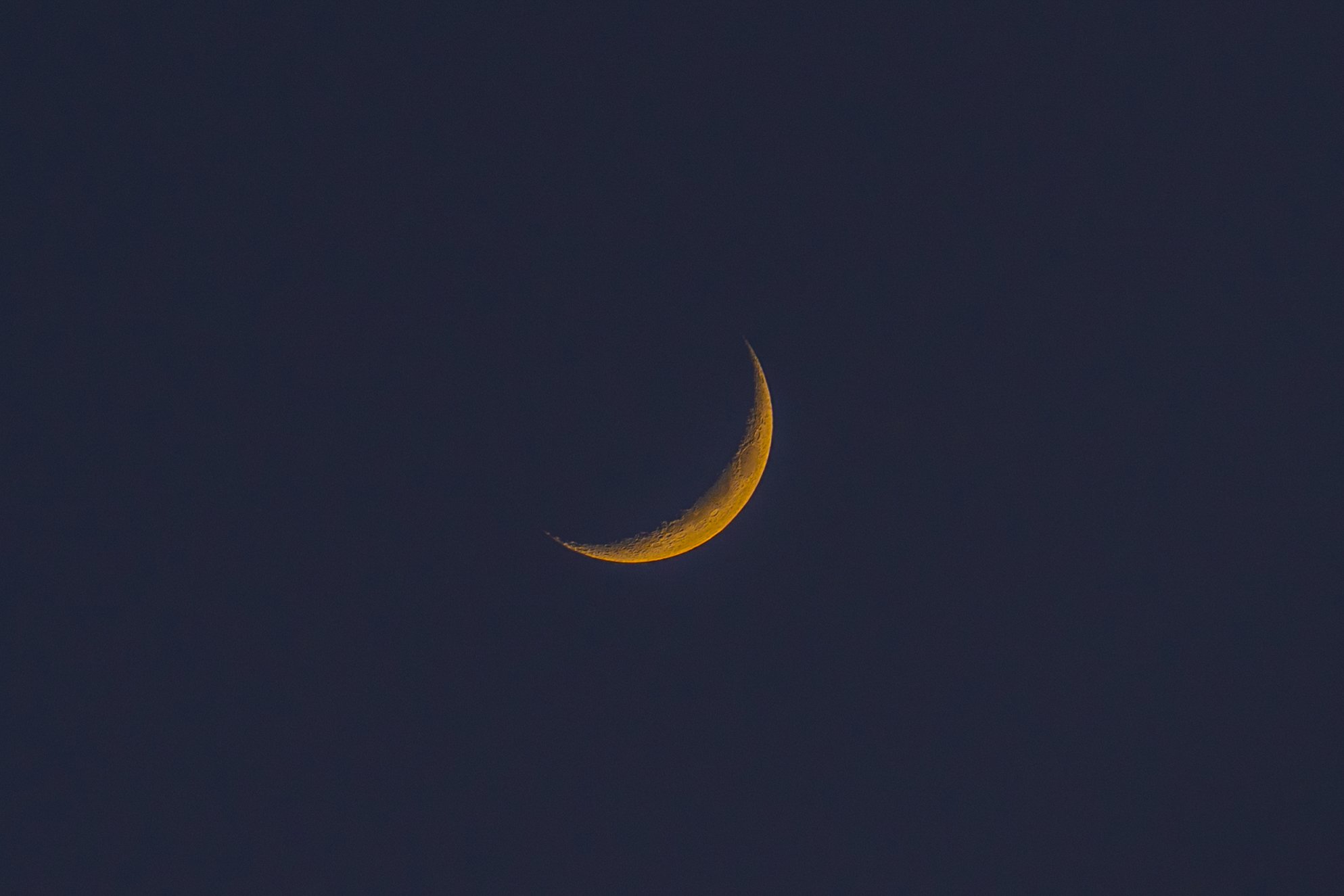
sleep shapes our bodies and minds - just as the lunar cycle shapes the rhythm of the tides
The Four Essentials for Better Sleep
1. wake up around the same time
2. morning sunlight, ~1 hour before 10am
3. exercise regularly
4. sleep 7 or more hours every night
What is Restorative Sleep?
Restorative sleep is a personal (subjective) experience, rather than a universal standard.
According to expert sleep specialists - sleep is restorative if we wake up feeling better than we did before we slept - defined by:
feeling more awake and ready for the day
thinking more clearly
feeling happier, more emotionally content
having more energy
experiencing a greater sense of well-being
-
American Academy of Sleep Medicine and Sleep Research Society recommend:
adults regularly sleep 7 or more hours per night to promote optimal health
Stages of the Sleep Cycle

Restorative sleep is about more than just time - it depends on how the brain progresses through the sleep stages each night.
We need adequate time in each stage for the brain and body to carry out the essential functions that support our overall health.
Awake → N1 → N2 → N3 → N2 → REM → repeat
Stage N1 - initiation of sleep
5% of total sleep
first & lightest stage, easy to wake during
breathing remains regular
Stage N2 - maintenance & consolidation
45% of total sleep
longest stage, preparing for deep sleep
heart rate and body temperature decrease
brain processes newly learned information and skills into long-term knowledge
Stage N3 - physical restoration
25% of total sleep
deepest stage, hard to wake during*
repair and regrowth of tissues
building of bones and muscles
strengthening of immune system
*30-60 mins of mental fogginess (sleep inertia), usually occurs if awakened in this stage
Stage N2 - transition
brief return to lighter sleep before REM
REM - dreaming & debated purpose
25% of total sleep
no scientific consensus on function
associated with dreaming & nightmares
not considered a restful sleep stage
brain activity similar to being awake
temporary muscle paralysis
The Science Behind Restorative Sleep
Research highlights the importance of restorative sleep for both physical and mental health - a necessary support for our bodies and brains to recover and function effectively.
-
improves mental health - reduces symptoms of depression and anxiety
improves metabolic health - supports healthy weight management and decreases risk of type 2 diabetes
enhances attention - improves our ability to learn more efficiently, react faster, and respond better to changes
supports memory - essential for processing new information and preparing the brain for future learning
enhances executive performance - improves our ability to pursue goals, problem-solve, control impulses, make decisions, and pivot when things change
strengthens emotional regulation - improves our ability to navigate emotions and better handle stress
improves accuracy & productivity - reduces the frequency of mistakes and enhances coordination and balance
-
*regularly sleeping less than 7 hours per night
poor mental health - increases rates of anxiety and depression
emotional instability - impacts our ability to accurately process & respond to emotions, increases impulsivity & conflict with others
risk of death - insufficient sleep increases risk of death by 6-15%
cardiovascular diseases - increases risk of high blood pressure (~1.4x more likely), heart disease, stroke (~17% increased risk)
metabolic syndrome - increases risk of obesity (~1.5x more likely) and type 2 diabetes - increases hunger levels, caloric intake, and insulin resistance
impairs attention - makes it harder to think clearly & respond appropriately to situations
impairs memory - makes it harder to learn and remember new information
disrupts executive functioning - makes it harder to plan, pursue goals, change behavior, make decisions & problem-solve
How to Sleep Better:
what the science says
The body relies on two key internal systems to regulate sleep:
circadian rhythms & sleep pressure
Understanding what influences these systems, allows us to create evidence-based practices to effectively support them - helping us sleep better.
-
a 24-hour internal timing system - regulating* alertness and sleepiness in response to light
*and other essential functions
-
sleep pressure increases* the longer we are awake - making it easier to fall asleep, then reduces as we sleep - helping us feel more alert the next day
simplified process -
*energy is used → ATP breaks down → adenosine increases → sleep pressure increasesmore detailed process -
*energy is used → ATP breaks down → adenosine gradually accumulates in the brain → adenosine binds to and activates adenosine receptors → sleep pressure increases → supporting healthy sleep
5 Evidence-Based Practices for Better Sleep
1. Keep a Consistent Sleep Schedule
To create a consistent sleep schedule that supports circadian rhythms & homeostatic sleep drive - focus on the following elements:
consistent wake time* - waking up around the same time ensures predictable morning light exposure - supporting circadian rhythms
wakefulness - spending enough time awake allows adenosine to accumulate, increasing sleep pressure and making it easier to fall asleep
sufficient sleep opportunity - sleeping long enough allows sleep pressure time to dissipate, helping us feel more alert the next day
consistent bedtime - sleeping around the same time every night ensures predictable light exposure - supporting circadian rhythms
*prioritize consistent wake time before bedtime - more beneficial for stabilizing circadian rhythms
2. Set the Clock, Protect the Clock
When it comes to circadian rhythm support - light is the single most important and only definitive influence helping synchronize our internal rhythms to our external environment.
Prioritize Morning Sunlight
exposure to early morning light aligns circadian rhythms - improving sleep quality
experience morning light to synchronize circadian rhythms - aim for ~1 hour of sunlight before 10AM (most important)
spend time outdoors during daylight hours to help reinforce circadian rhythms - aim for ~30 minutes of sunlight after 3PM
Evening Light Management
exposure to artificial lighting at night delays circadian rhythms - worsening sleep quality
reduce indoor lighting
reduce screen time - limit 2 hrs before & restrict entirely 30 mins before bedtime
limit exposure to urban light pollution - vehicles, street & building lights, signs
3. Regularly Move Your Body
Regular exercise makes it easier to fall asleep & improves overall sleep quality, by increasing sleep pressure & improving mental health.
exercise accelerates energy use, increasing adenosine, increasing sleep pressure -
making it easier to fall asleepexercise lowers stress, anxiety & depression and improves overall mental health - improving sleep quality
4. Limit Long, Late in the Day Naps
Naps can reduce accumulated sleep pressure, potentially interfering with nighttime sleep.
However, if strategic, naps can boost positive mood and reduce self-reported sleepiness.
For best results, researchers recommend:
30-minute, mid-afternoon naps
plus ~10 mins to fall asleep
5. Consider Your Caffeine Intake
Caffeine blocks adenosine receptors, reducing sleep signals to the brain - prolonging wakefulness and negatively impacting sleep.
Generally, research suggests sleep disruptions are more likely to occur, the more caffeine we consume and the later we consume it.
Caffeine affects everyone differently though, and research on sleep disruptions are inconsistent.
Thus, recommendations on how much caffeine is acceptable and at what time in the day to stop, depend on our individual responses to it.
Navigating the Noise
exploring common claims lacking evidence
Popular Sleep Recommendation:
-
reasoning: supports our body’s natural, nightly internal temperature drop
Peer-Reviewed Research:
✅ body temperature decreases as we prepare for deep sleep (Stage N2)
❌ we do not need to cool our rooms that low
research supports sleep being most efficient and restful when nighttime ambient temperature ranges between: 20–25°C (68-77°F)
not until temperatures increased to 30°C/86°F did sleep efficiency significantly drop
Popular Sleep Recommendation:
-
reasoning: intense exercise increases adrenaline and cortisol
Peer-Reviewed Research:
✅ intense exercise does increase adrenaline and cortisol
❌ current evidence does not support late-night exercise disrupts sleep
no negative impact was seen with:
vigorous exercise 2.5 hrs before bed
vigorous exercise 2 hrs before bed
moderate exercise 1 hr before bed
moderate exercise 30 mins before bed
The quality of our waking life is formed by a nightly return to the rhythms that sustain us -
allowing the body to restore what the day may have taken & returning us to our baseline.
-
How much sleep do I need?
Sleep experts recommend healthy adults regularly sleep 7 or more hours per night to promote optimal health.
Does melatonin help you sleep?
Yes! Studies have shown melatonin is beneficial for improving sleep.
significantly reduces insomnia scores and length & frequency of awakenings
significantly improves total sleep time & efficiency and how long it takes to fall asleep
Is napping good or bad?
Naps can boost positive mood and reduce self-reported sleepiness.
For best results -
researchers recommend 30 minute, mid-afternoon naps
(plus ~10 minutes to fall asleep)Why can’t I sleep?
Possible reasons you can’t sleep:
stress, anxiety, racing thoughts
circadian rhythms disruptions caused by - poor sleep schedule, too much screen time before bed, etc.
insufficient sleep pressure caused by - consuming caffeine too late in the day, not getting enough physical activity, etc.
uncomfortable environment - bad mattress, poor pillow, noisy, bright, too hot or too cold, etc.
consuming alcohol or nicotine too close to bed
pain or physical discomfort
poor mental health - depression, anxiety, PTSD, etc.
sleep disorders - insomnia, sleep apnea, restless legs syndrome, etc.
-
Robbins R, Quan SF, Buysse D, et al. A Nationally Representative Survey Assessing Restorative Sleep in US Adults. Front Sleep. 2022;1:935228. doi:10.3389/frsle.2022.935228
Watson NF, Badr MS, Belenky G, et al. Recommended Amount of Sleep for a Healthy Adult: A Joint Consensus Statement of the American Academy of Sleep Medicine and Sleep Research Society. Sleep. 2015;38(6):843-844. Published 2015 Jun 1. doi:10.5665/sleep.4716
Patel AK, Reddy V, Shumway KR, Araujo JF. Physiology, Sleep Stages. In: StatPearls. Treasure Island (FL): StatPearls Publishing; January 26, 2024.
Van Swearingen KM, Kumar K, High B, et al. Enhancing Sleep and Mental Health: Longitudinal, Observational, Real-World Study From a Digital Mental Health Platform. JMIR Form Res. 2026;10:e83492. Published 2026 Apr 27. doi:10.2196/83492
Shah AS, Pant MR, Bommasamudram T, et al. Effects of Sleep Deprivation on Physical and Mental Health Outcomes: An Umbrella Review. Am J Lifestyle Med. Published online May 27, 2025. doi:10.1177/15598276251346752
Hyndych A, El-Abassi R, Mader EC Jr. The Role of Sleep and the Effects of Sleep Loss on Cognitive, Affective, and Behavioral Processes. Cureus. 2025;17(5):e84232. Published 2025 May 16. doi:10.7759/cureus.84232
Reddy S, Sharma S. Physiology, Circadian Rhythm. [Updated 2026 Jun 19]. In: StatPearls [Internet]. Treasure Island (FL): StatPearls Publishing; 2026 Jan-. Available from: https://www.ncbi.nlm.nih.gov/books/NBK519507/
Desai D, Momin A, Hirpara P, Jha H, Thaker R, Patel J. Exploring the Role of Circadian Rhythms in Sleep and Recovery: A Review Article. Cureus. 2024;16(6):e61568. Published 2024 Jun 3. doi:10.7759/cureus.61568
Huang L, Zhu W, Li N, et al. Functions and mechanisms of adenosine and its receptors in sleep regulation. Sleep Med. 2024;115:210-217. doi:10.1016/j.sleep.2024.02.012
Brown TM, Brainard GC, Cajochen C, et al. Recommendations for daytime, evening, and nighttime indoor light exposure to best support physiology, sleep, and wakefulness in healthy adults. PLoS Biol. 2022;20(3):e3001571. Published 2022 Mar 17. doi:10.1371/journal.pbio.3001571
Jee HJ, Youn C, Lee H, Jung YS. Adenosine A1 and A2A Receptors in Sleep Disorders: Mechanisms and Therapeutic Implications. Biomol Ther (Seoul). 2026;34(3):461-470. doi:10.4062/biomolther.2026.070
LeGates TA, Fernandez DC, Hattar S. Light as a central modulator of circadian rhythms, sleep and affect. Nat Rev Neurosci. 2014;15(7):443-454. doi:10.1038/nrn3743
de Menezes-Júnior LAA, Sabião TDS, Carraro JCC, Machado-Coelho GLL, Meireles AL. The role of sunlight in sleep regulation: analysis of morning, evening and late exposure. BMC Public Health. 2025;25(1):3362. Published 2025 Oct 6. doi:10.1186/s12889-025-24618-8
Blume C, Garbazza C, Spitschan M. Effects of light on human circadian rhythms, sleep and mood. Somnologie (Berl). 2019;23(3):147-156. doi:10.1007/s11818-019-00215-x
Pham HT, Chuang HL, Kuo CP, Yeh TP, Liao WC. Electronic Device Use before Bedtime and Sleep Quality among University Students. Healthcare (Basel). 2021;9(9):1091. Published 2021 Aug 24. doi:10.3390/healthcare9091091
He JW, Tu ZH, Xiao L, Su T, Tang YX. Effect of restricting bedtime mobile phone use on sleep, arousal, mood, and working memory: A randomized pilot trial. PLoS One. 2020;15(2):e0228756. Published 2020 Feb 10. doi:10.1371/journal.pone.0228756
Maddux RE, Daukantaité D, Tellhed U. The effects of yoga on stress and psychological health among employees: an 8- and 16-week intervention study. Anxiety Stress Coping. 2018;31(2):121-134. doi:10.1080/10615806.2017.1405261
Baron KG, Reid KJ, Zee PC. Exercise to improve sleep in insomnia: exploration of the bidirectional effects. J Clin Sleep Med. 2013;9(8):819-824. Published 2013 Aug 15. doi:10.5664/jcsm.2930
Foster RG. Sleep, circadian rhythms and health. Interface Focus. 2020;10(3):20190098. doi:10.1098/rsfs.2019.0098
Leong RLF, Lau T, Dicom AR, Teo TB, Ong JL, Chee MWL. Influence of mid-afternoon nap duration and sleep parameters on memory encoding, mood, processing speed, and vigilance. Sleep. 2023;46(4):zsad025. doi:10.1093/sleep/zsad025
Irish LA, Kline CE, Gunn HE, Buysse DJ, Hall MH. The role of sleep hygiene in promoting public health: A review of empirical evidence. Sleep Med Rev. 2015;22:23-36. doi:10.1016/j.smrv.2014.10.001
Baniassadi A, Manor B, Yu W, Travison T, Lipsitz L. Nighttime ambient temperature and sleep in community-dwelling older adults. Sci Total Environ. 2023;899:165623. doi:10.1016/j.scitotenv.2023.165623
Stutz J, Eiholzer R, Spengler CM. Effects of Evening Exercise on Sleep in Healthy Participants: A Systematic Review and Meta-Analysis. Sports Med. 2019;49(2):269-287. doi:10.1007/s40279-018-1015-0
Myllymäki T, Kyröläinen H, Savolainen K, et al. Effects of vigorous late-night exercise on sleep quality and cardiac autonomic activity. J Sleep Res. 2011;20(1 Pt 2):146-153. doi:10.1111/j.1365-2869.2010.00874.x
Pigeon WR, Carr M, Gorman C, Perlis ML. Effects of a tart cherry juice beverage on the sleep of older adults with insomnia: a pilot study. J Med Food. 2010;13(3):579-583. doi:10.1089/jmf.2009.0096
Pereira N, Naufel MF, Ribeiro EB, Tufik S, Hachul H. Influence of Dietary Sources of Melatonin on Sleep Quality: A Review. J Food Sci. 2020;85(1):5-13. doi:10.1111/1750-3841.14952
InformedHealth.org [Internet]. Cologne, Germany: Institute for Quality and Efficiency in Health Care (IQWiG); 2006-. Overview: Sleep disorders and problems (insomnia) [Updated 2024 Jul 31]. Available from: https://www.ncbi.nlm.nih.gov/books/NBK279321/
grazie · sea you next time · arrivederci